MULTIPLE CHOICE QUESTIONS
1. When you cut your finger, new skin quickly grows that repairs and replaces the damaged skin cells. Information directing this process is located in the
(1) mitochondria in neighboring skin cells, which provide the energy needed for mitotic cell division
(2) mitochondria in neighboring skin cells, which provide the energy needed for meiotic cell division
(3) DNA of neighboring cells, which divide by mitotic cell division
(4) DNA of neighboring cells, which divide by meiotic cell division
Solution:
The body repairs cuts using mitosis, which creates identical new cells. Meiosis is used to make sperm or egg cells, eliminating choices 2 and 4. The instructions for making new cells are stored in DNA, not mitochondria. Mitochondria stores the energy for the cell.
Correct Answer: (3)
2 ATP is produced in the
(1) vacuoles (3) mitochondria
(2) nuclei (4) ribosomes
Solution:
Mitochondria is the main organelle for producing ATP. Correct Answer: (3) We can eliminate
(4) Ribosomes = make proteins.
(1) Vacuoles = storage, not energy.
(2) Nuclei = hold DNA.
3 Some trees release toxins into the soil that can kill the plants nearby. This ability can best be described as
(1) a means of establishing a consistent soil pH
(2) a benefit to the ecosystem, since it results in increased biodiversity
(3) a trait acquired by the species to eliminate the consumers that feed on them
(4) an evolutionary advantage, reducing competition for water, nutrients, and sunlight
Solution:
When trees release toxins and kill the plans nearby, they, therefore, get rid of other competitors for their water and nutrition. Correct Answer: (4) — It’s an evolutionary advantage that helps the tree survive by keeping more resources for itself.
4 When the frequency of a gene in a population changes, the most likely result would be
(1) ecological succession (3) species extinction
(2) biological evolution (4) genetic mutation
Solution:
A change in gene frequency means that certain traits are becoming more or less common in a population. This is the definition of biological evolution — how populations change over time. Correct Answer: (2)
Let’s look at the incorrect answer choices : 1) Ecological Succession
This is a natural process where ecosystems change over time—for example, bare rock slowly becoming a forest. It involves changes in plant and animal communities, not genes in a population.
(3) Species Extinction
Extinction is when all members of a species die out.
(4) Genetic Mutation
A mutation is a change in DNA, but it happens in individuals, not entire populations.
5 During the 1880s, in an attempt to control the rat population, the Asian mongoose was brought to the Hawaiian Islands. However, there was a flaw in the plan. Rats are active at night, while mongooses feed on birds and eggs during the day. They had little effect on the rat population. The mongoose population rapidly increased and caused the extinction of many bird species native to the islands. Bringing mongooses to the Hawaiian Islands is an example of
(1) a technological fix to solve problems caused by population growth
(2) developing a research plan to study unintended outcomes
(3) humans altering ecosystems, resulting in unintended consequences
(4) an imported species solving an ecological problem
Solution:
This is an example of humans altering ecosystems, resulting in unintended consequences. Mongooses did not control the rate population as intended and instead caused the extinction of many bird species native to the islands. Choice 3 is the correct answer choice.
6 Many companies today are looking for ways to reduce the use of finite resources. They are working to recycle, reuse, and repair more products to reduce dumping and pollution. Which statement best describes a positive result of these changes?
(1) Fossil fuels will be renewed for future generations to utilize.
(2) Finite resources will not be depleted as quickly.
(3) These activities can result in unstable ecosystems.
(4) Destruction of ecosystems will result in a loss of biodiversity.
Solution: Since the question is asking about positive results, choices 3 and 4 can be eliminated because they describe something negative. The question is talking about finite resources being recycled, which would lead to them not being depleted quickly. Choice 2 is the correct answer.
7 Which characteristic would give one species the greatest advantage over other species?
(1) higher number of surviving offspring
(2) lower number of matings
(3) lower adaptation to the environment
(4) higher rate of disease
Solution: Higher number of surviving offsprings will ensure the best survival of the specials over other species. Choice 1 is the correct answer. The rest of the choices would be disadvantages.
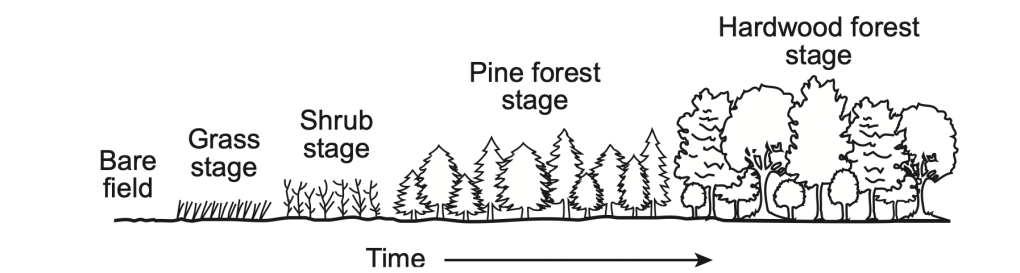
8 The diagram below represents the same location over a period of many years.
As a result of these changes,
(1) biodiversity in the area decreases (3) the community becomes less stable
(2) the community becomes more stable (4) biodiversity is not affected
Solution: The diagram shows ecological succession, the natural progression of an ecosystem from a bare field to a mature hardwood forest over time. As succession progresses: Biodiversity increases: more species of plants and animals become established and the community becomes more stable: mature ecosystems are generally more resilient and balanced. Correct answer: (2)
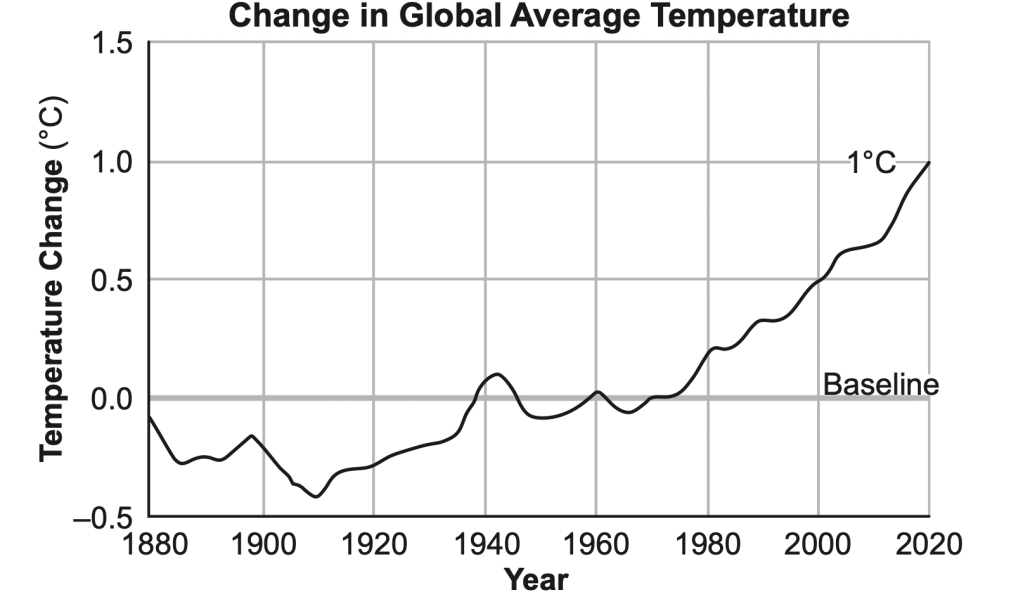
9 Between 1880 and 2020, Earth’s temperature increased slightly more than 1°C.
The best explanation for this increase is
(1) a decrease in the amount of sunlight reaching Earth each year
(2) an increase in the amount of solar radiation reflected back into space
(3) changing concentrations of gases in the atmosphere
(4) volcanic activity releasing ash and dust into the atmosphere
Solution: the increase in greenhouse gases like carbon dioxide (CO₂), methane (CH₄), and nitrous oxide (N₂O) due to human activities (e.g., burning fossil fuels, deforestation) has trapped more heat in the atmosphere, leading to global warming. Choice 3 is the correct answer choice.
10 Two different species of animal prefer the same plant for food. One eats the leaves of the plant, the other prefers the fruit. By eating different parts of the same plant these species can successfully coexist because they do not
(1) compete for limited resources (3) reproduce at the same time of year
(2) live in the same area (4) interact in a predator-prey relationship
Solution: The correct answer is (1) compete for limited resources. Since the two species eat different parts of the same plant—one consuming the leaves and the other the fruit—they do not compete for the same resource, allowing them to coexist in the same environment.
11 Different techniques are used to study cells. Fluorescent (glowing) tags allow scientists to visualize specific proteins as they are synthesized inside cells. Which part of a cell would be studied when using this technology to visualize protein synthesis?
(1) nucleus (3) cell wall
(2) ribosome (4) cell membrane
Solution: Ribosomes are the cellular structures responsible for synthesizing proteins. By using fluorescent tags to track specific proteins, scientists can study the process of protein synthesis, which occurs on the ribosomes in the cytoplasm or on the rough endoplasmic reticulum. The correct answer is (2) ribosome.
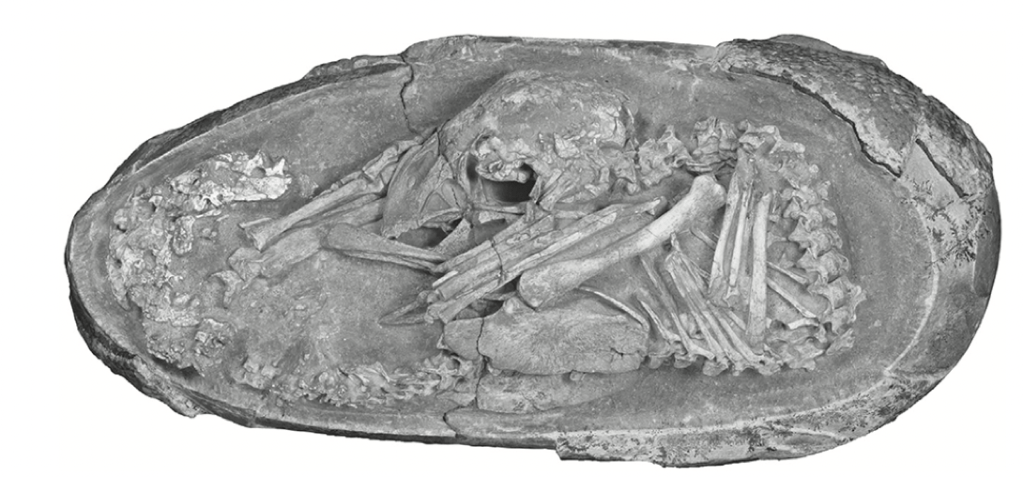
12 The image below shows a recently discovered fossil of an unhatched egg of a theropod dinosaur. The dinosaur is in a prehatching position similar to bird embryos in unhatched eggs today. Prior to finding the fossil, this behavior was never seen in animals other than birds.
The fact that both theropod dinosaurs and birds share this behavior is evidence that
(1) birds and theropod dinosaurs are related and share a common ancestor
(2) animals that develop in eggs must use this behavior to survive
(3) this behavior decreases reproductive success
(4) behaviors like this must be learned from parents
Solution: Evidence from both fossil records and behavioral similarities (such as brooding behavior, nesting, or egg-turning) suggest an evolutionary link between birds and theropod dinosaurs. Correct answer is choice 1.
13 The graph below represents the amount of stored energy in each level of an energy pyramid.

The amount of stored energy between level 1 and level 4 decreases because
(1) there are more organisms at level 4
(2) level 1 has more consumers
(3) at each level some energy is released as heat
(4) there are more producers at each level
Solution: The 10% rule in ecology states that only about 10% of the energy at one trophic level is passed on to the next. The rest is lost largely as heat due to metabolic processes like respiration. Choice 3 is the correct answer
14 In a sexually reproducing species of plant, which change could occur that would have an effect on the species in the future?
(1) changes in the egg cells in the ovaries of the plants’ flowers
(2) variations that occur in the root cells of the plants in a field
(3) differences in leaf cells that are exposed to solar radiation
(4) a change in the DNA sequence caused by ultraviolet radiation in the cells of the plants’ stems
Solution: In sexually reproducing species, genetic changes that occur in the egg or sperm cells can be passed on to offspring and potentially affect the species in the future. Changes in other cells, such as those in the roots, leaves, or stems, typically do not get passed down to future generations unless they affect the reproductive cells.The correct answer is (1).
15 Many factors go into producing goods that are used by people in their everyday lives. In manufacturing, the production of goods and use
of energy
(1) is always positive because it is the only way for goods to be produced
(2) can only be negative because it generates a lot of pollution
(3) is neither positive nor negative because the energy is necessary
(4) can have both positive and negative effects
Solution:The production of goods and use of energy can have both positive and negative impacts. On the positive side, energy is necessary for manufacturing, creating jobs, and driving economic growth. However, the process can also result in pollution, resource depletion, and environmental damage, depending on the methods and types of energy used. The correct answer is (4)
16 The illustration below represents two cellular processes, A and B
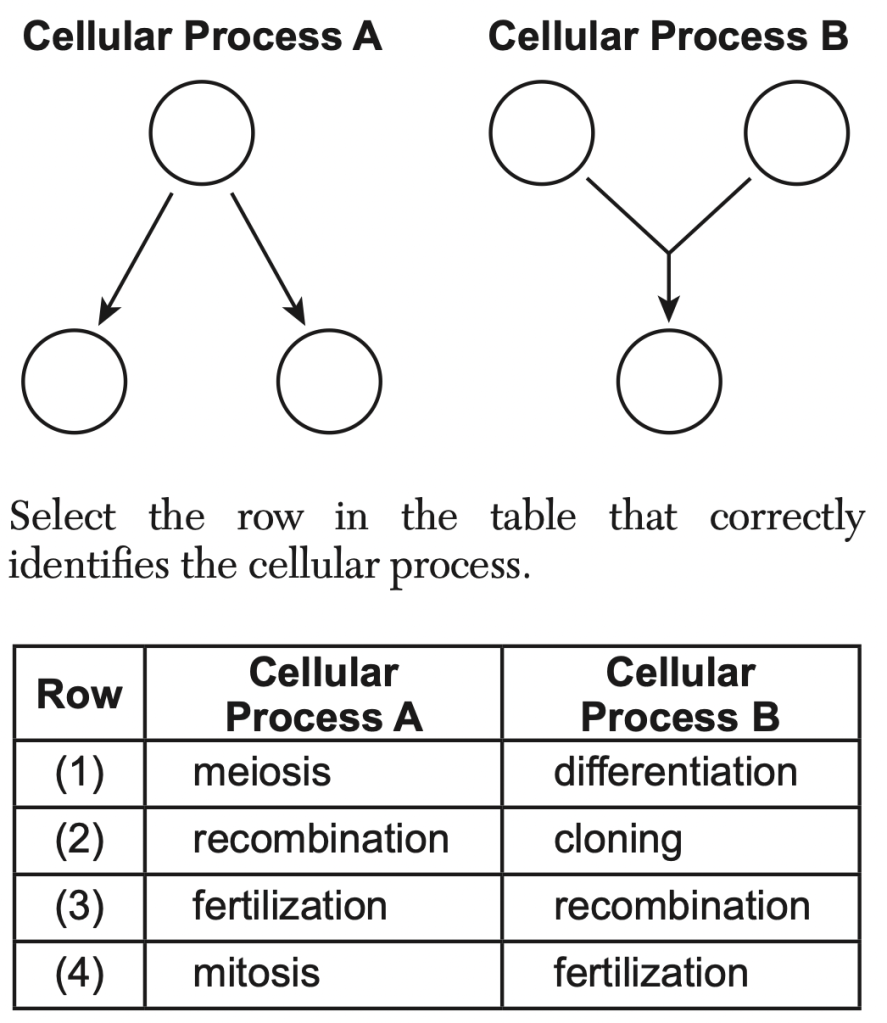
Solution: In the illustration: Cellular Process A shows one cell dividing into two identical cells, which is characteristic of mitosis. Cellular Process B shows two cells combining into one, which represents fertilization (fusion of sperm and egg). So the correct answer is 4.
17 A food web is represented below.
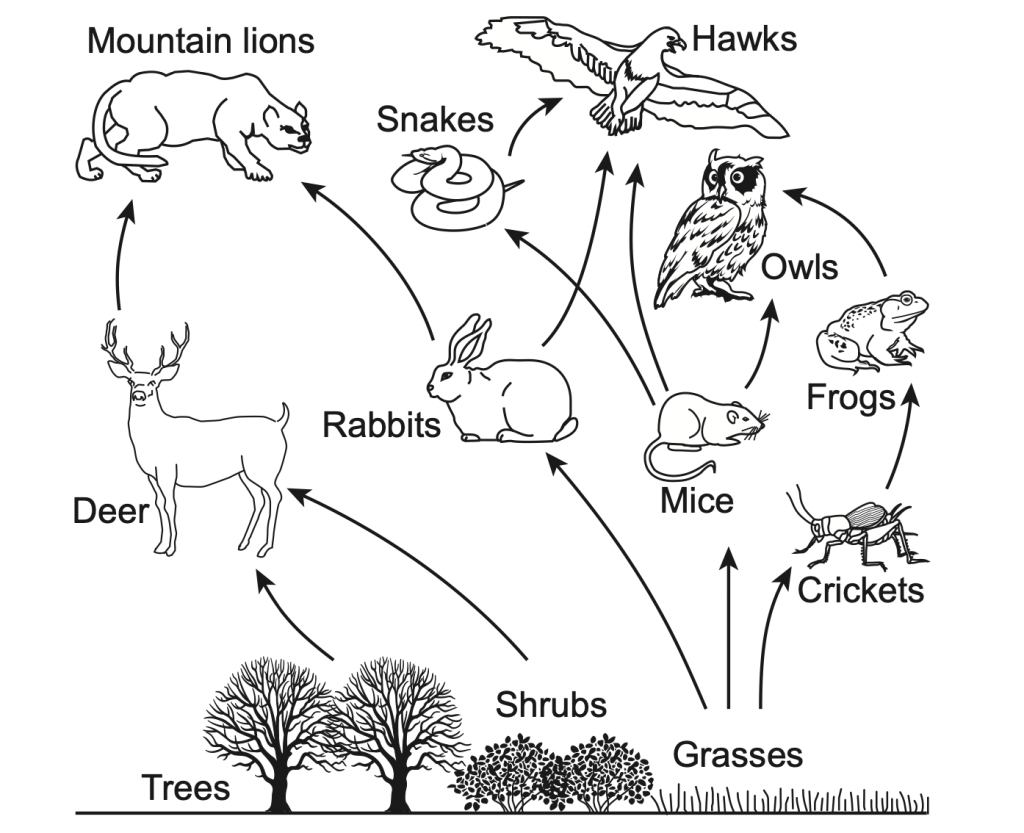
A chemical was introduced into this environment that caused a decrease in the population of mice. This would most likely cause
(1) an increase in the deer population (3) a decrease in the tree population
(2) an increase in the shrub population (4) a decrease in the snake population
Solution: In the food web shown: Mice are eaten by snakes, owls, and hawks. If mice decrease, then predators like snakes will have less food, likely causing a decrease in the snake population. So the correct answer is: (4) a decrease in the snake population
18 Populations of organisms making up an Arctic food chain are represented below.
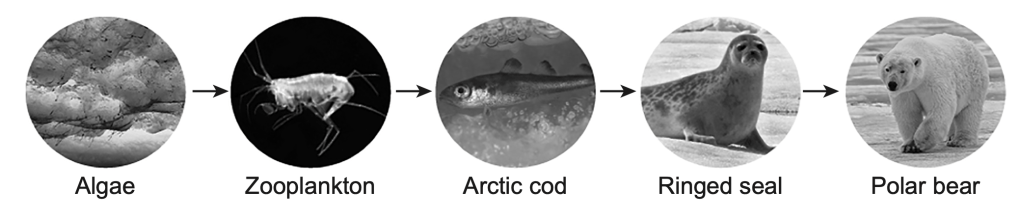
Which statement concerning this food chain is the most accurate?
(1) The greatest amount of energy in this food chain is located in the polar bear population.
(2) Zooplankton, which provide food for the cod, are the main producers in this chain.
(3) A reduction in the algae populations would most likely affect the survival of all the other populations in this food chain.
(4) The organisms in this chain can all produce their own energy during long periods of cold weather.
Solution: Algae are the producers at the base of the food chain. If algae decrease, zooplankton (which eat algae) would decrease. This would affect cod, which eat zooplankton, and eventually seals and polar bears, which rely on cod or other fish. So, a disruption at the base would ripple up through all levels. Choice 3 is the correct answer choice.
19 The protein in a hamburger is broken down into amino acids. Which two processes are involved in the breakdown of the protein and the absorption of the amino acids into the bloodstream?
(1) synthesis and mitosis (3) mitosis and digestion
(2) digestion and diffusion (4) active transport and replication
Solution: The protein in a hamburger is first broken down into amino acids during digestion, which occurs in the stomach and small intestine. Afterward, the amino acids are absorbed into the bloodstream through the walls of the small intestine by diffusion, where they move from an area of higher concentration in the intestine to lower concentration in the bloodstream. The correct answer is (2).
Let’s also look at the other answer choices to learn more about them.
Synthesis refers to the process of building molecules, such as proteins or DNA, from smaller units (amino acids or nucleotides). Mitosis is the process of cell division where one cell divides into two identical daughter cells. Active transport is the process of moving substances (like amino acids) across cell membranes against a concentration gradient, requiring energy. Replication refers to the process of copying DNA before cell division, which isn’t involved in the breakdown of proteins or the absorption of amino acids.
20 Tuatara are the last survivors of an ancient group of reptiles that lived at the same time as the dinosaurs. Tuatara contain a very large genome.
The genome, its complete set of genes, is about two-thirds bigger than the human genome.

One possible explanation for why the tuatara has survived since prehistoric times is that their large genome
(1) has enabled them to live on a part of Earth that has not gone through any environmental changes since the time of the dinosaurs
(2) provided the members of the species with characteristics that gave them advantages for survival in changing environments
(3) can mutate when the species needs to develop characteristics that will adapt the members to live in areas that are very cold or very warm
(4) can rearrange genes so that the species evolves when environmental changes occur
Solution: The tuatara is an ancient reptile that has survived for millions of years. Its large genome likely provides genetic diversity, which can lead to characteristics that offer survival advantages in different environments, allowing the species to adapt over time. Evolution through natural selection enables species to develop traits that help them survive in changing environments. The correct answer is (2)
21 Two primary chemical messengers used in communication within the human body include
(1) antibodies and pathogens
(2) organic catalysts and toxins
(3) enzymes and antigens produced by body cells
(4) hormones and chemicals produced by nerve cell
Solution: Hormones are chemical messengers produced by endocrine glands that travel through the bloodstream to regulate processes in various parts of the body. Chemicals produced by nerve cells (neurotransmitters) allow communication between nerve cells, enabling signals to be transmitted across synapses to other nerve cells or target tissues. Both of these are key components in the body’s communication systems. The correct answer is (4)
22 Holstein cows have become the most widespread breed of dairy cow in the United States. They have been selectively bred to have many characteristics beneficial to dairy farmers. Holsteins are known for their ability to produce large quantities of milk. In addition, they are often calm and agreeable animals.
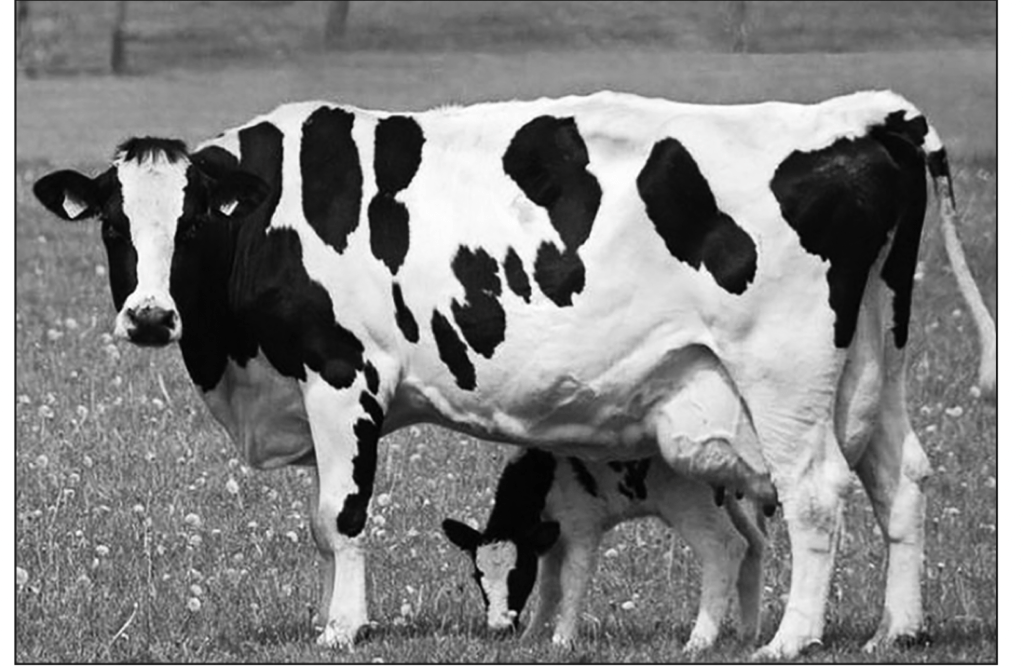
Which statement best describes a potential risk of the selective breeding process to future generations of Holstein dairy cows?
(1) Genetic diversity in the breed may become limited over time.
(2) It increases the chances of having even more desired characteristics.
(3) It results in many highly productive and long- lived animals.
(4) It improves the health of future generations of Holstein cattle.
Solution: Selective breeding involves choosing animals with specific desirable traits to reproduce. Over time, this can lead to a reduction in genetic diversity, as only certain genetic traits are passed on. Limited genetic diversity can increase the risk of inherited diseases or vulnerabilities to environmental changes, making the population more susceptible to health problems in the future. The correct answer is (1)
23 An organism that normally has 32 chromosomes in its body cells is found to be producing gametes with either 15 or 17 chromosomes. It has not been able to successfully reproduce. The most likely reason for its inability to reproduce would be errors during the process of
(1) mitosis (3) meiosis
(2) differentiation (4) cloning
Solution: Meiosis is the process by which gametes (sperm and egg cells) are produced. It involves two rounds of division, leading to the halving of chromosome numbers. In this case, the organism is producing gametes with 15 or 17 chromosomes, which suggests errors in the separation of chromosomes during meiosis. These errors can result in an abnormal number of chromosomes in the gametes, making fertilization and reproduction difficult or impossible. The correct answer is (3)
24 Which sequence correctly identifies the flow of energy through an ecosystem?
(1) producers → consumer → herbivore
(2) consumer → decomposer → producer
(3) carnivore → herbivore → producer
(4) producer → consumer → decomposer
Solution: The correct answer is (4) producer → consumer → decomposer. This sequence correctly shows the flow of energy in an ecosystem: Decomposers (like fungi and bacteria) break down dead organisms and return nutrients to the environment. Producers (like plants) capture energy from the sun through photosynthesis. Consumers (like herbivores and carnivores) eat the producers and/or other consumers to obtain energy.
25 An ameba, which is a single-celled aquatic organism, is represented below.
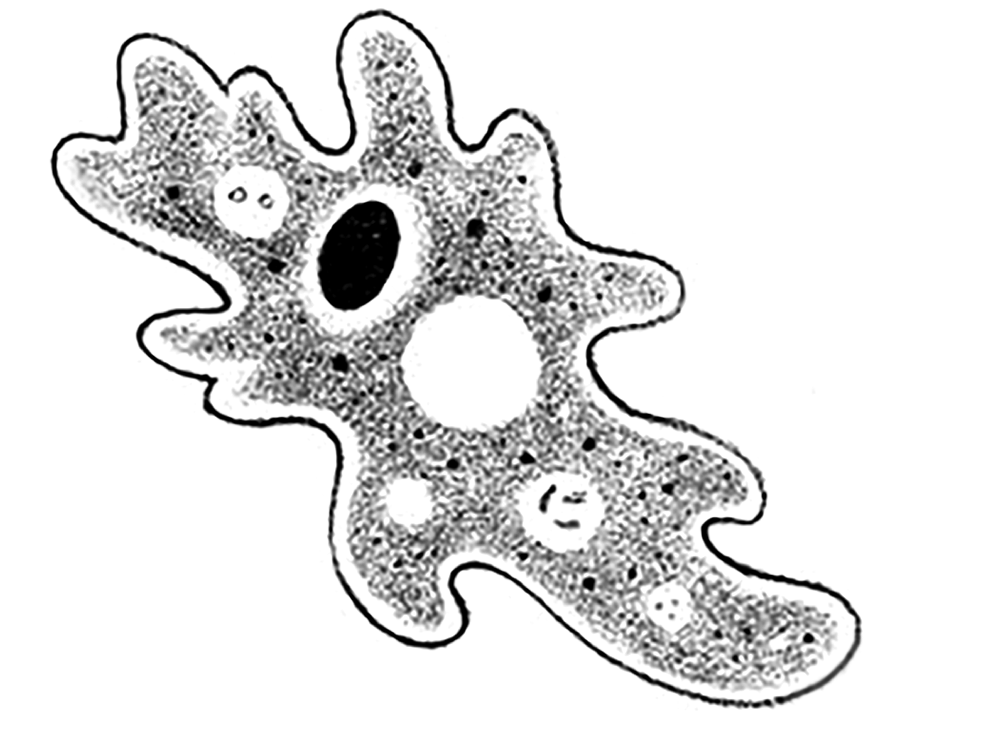
Which of the ameba’s cell structures is the most important in obtaining oxygen from its environment?
(1) cell membrane (3) mitochondrion
(2) ribosome (4) cell wall
Solution: In an ameba (a single-celled organism), oxygen is obtained from the environment by diffusion across the cell membrane. The cell membrane allows gases like oxygen to pass in and out of the cell, which is essential for cellular respiration. The correct answer is (1) Here’s why the other choices are incorrect: (4) Cell wall: Amebas do not have a cell wall; they have only a cell membrane. (2) Ribosome: Makes proteins, not involved in gas exchange. (3) Mitochondrion: Uses oxygen to produce energy, but does not absorb it from the environment.
26 The diagram below represents a specialized gamete that plays a role in human reproduction.

The proper functioning of cells like these is vital for human reproduction because
(1) its mitochondria provide the nutrition to support the embryo
(2) the tail makes it possible to deliver all the genetic information needed in a zygote
(3) the cell differentiates to form specialized structures such as tissues and organs
(4) its nucleus carries half the genetic information needed to form a zygote
Solution : Correct Answer: (2) the tail makes it possible to deliver all the genetic information needed in a zygote. The tail (flagellum) helps the sperm swim through the female reproductive tract to reach and fertilize the egg. The sperm delivers half of the genetic material (23 chromosomes) to the egg, forming a zygote with a full set of 46 chromosomes.
27 If the amounts of carbon dioxide and water available increase, it is most likely that the first response by the producer organisms would be to
(1) increase glucose synthesis
(2) increase DNA synthesis
(3) decrease amino acid synthesis
(4) decrease nucleic acid synthesis
Solution: Producer organisms like plants use carbon dioxide and water in the process of photosynthesis to produce glucose (a type of sugar) and oxygen. If more carbon dioxide and water are available, producers will likely increase the rate of photosynthesis, resulting in more glucose being synthesized. The correct answer is (1)
28 There are high numbers of stray and feral cats in communities across the United States. In order to humanely control these cat populations, many areas are participating in programs to trap, spay, and release the animals. When a female cat is spayed, organs are surgically removed to prevent the animal from being able to reproduce. Which two organs are most likely removed from the female cat during this surgery?
(1) uterus and placenta
(2) ovaries and uterus
(3) ovaries and stomach
(4) placenta and testes
Solution: When a female cat is spayed, the ovaries (which produce eggs and hormones) and the uterus (where a fetus would develop) are typically removed. This procedure prevents the cat from being able to reproduce. The correct answer is (2).
29 When you purchase a fishing license in New York State, you are told to check the Advisory Tables before consuming any of the fish you catch. The tables list the fish species you should not eat and others you can eat up to four times per month, due to the presence of toxic chemicals in the fish. A likely reason the table recommends that children under the age of 15 and young women should not eat any of the fish caught in some bodies of water is that
(1) young women and children already have a large amount of these chemicals in their bodies
(2) the chemicals may affect their development or harm potential unborn children
(3) the chemicals do not affect males, so they can eat up to four of the fish per month
(4) the fish species on the list are in danger of extinction
Solution: Children and young women—especially those who are or may become pregnant—are more vulnerable to the harmful effects of toxic chemicals like mercury and PCBs (polychlorinated biphenyls) that can accumulate in fish. These toxins can impair brain development and nervous system function in fetuses and young children. The correct answer is (2)
30 Examples of two abiotic resources present in an ecosystem are
(1) nitrogen and carbon dioxide in the atmosphere
(2) animal species and water
(3) the plant species and soil minerals
(4) populations of decomposers and pH of the soil
Solution: Abiotic resources are non-living components of an ecosystem that affect living organisms. Nitrogen and carbon dioxideare both gases found in the atmosphere that are essential for processes like plant growth and photosynthesis, making them key abiotic factors. The correct answer is (1) Here’s why the other choices are incorrect:
(4) includes populations of decomposers, which are living organisms and therefore biotic.
(2) includes animal species, which are biotic (living).
(3) includes plant species, which are also biotic.
Part B–1
31 Organisms A and B represent microorganisms viewed through a microscope. Although both seem to occupy
the same field of view, which organism is actually larger?
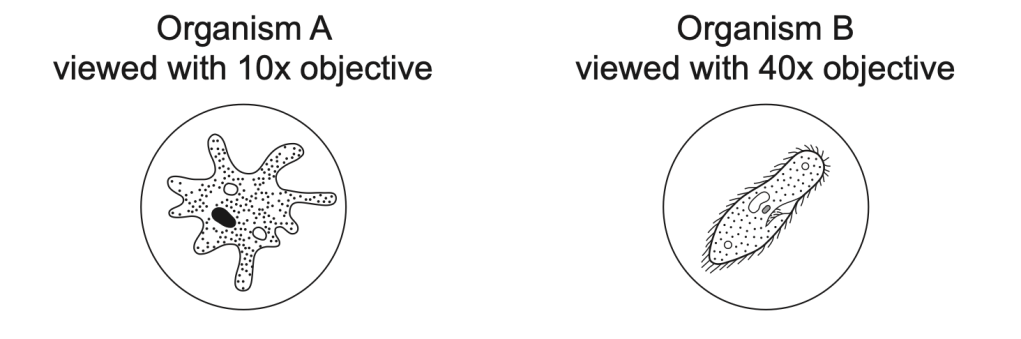
(1) A is larger since it fills the field of view at low magnification.
(2) B is larger since the magnification is lower.
(3) A is larger since the magnification is higher.
(4) B is larger since it fills the field of view at high magnification.
Solution: The correct answer is: (1)
When viewing under a microscope, if an organism fills the field of view at low magnification, it must be larger than something that fills the field only at high magnification.
32 The data represented in the graph below show differences in the concentration of carbon dioxide (CO2) in the atmosphere during the summer and winter months.
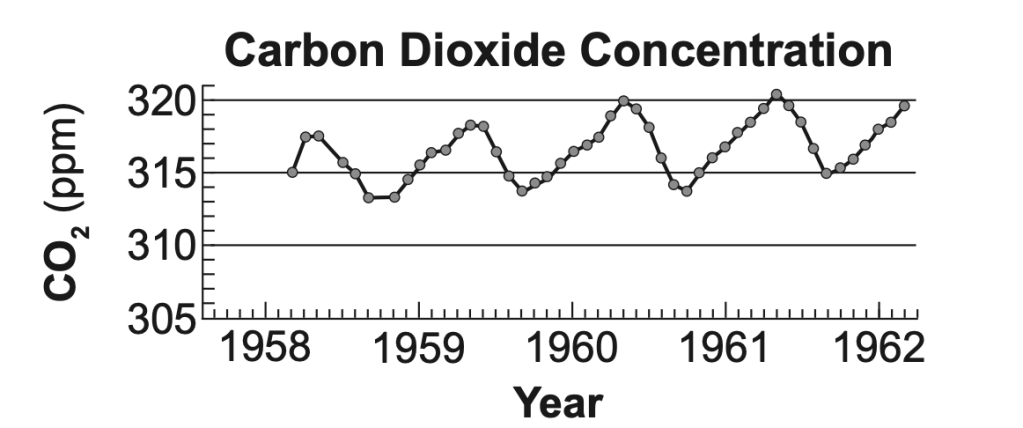
Which statement best explains why these differences occur?
(1) The rate of respiration in plants increases during the summer, releasing more CO2 into the atmosphere.
(2) The activity of decomposers increases during the winter months, removing large amounts of CO2 from the atmosphere.
(3) The increased exposure of plants to sunlight during the winter results in increased CO2 production.
(4) The activity of autotrophs increases during the summer, removing CO2 from the atmosphere.
Solution: Autotrophs, such as plants, use sunlight to perform photosynthesis, a process that removes carbon dioxide from the atmosphere. During the summer months, longer days and more sunlight lead to increased photosynthetic activity, which lowers atmospheric CO₂ levels. In winter, photosynthesis decreases, and CO₂ levels rise again. The correct answer is 4
33 Altering the DNA of a muscle cell in a mouse by substituting one base pair with another could likely
(1) change all the DNA sequences in the mouse
(2) change one amino acid in a protein a muscle cell produces
(3) alter the carbohydrates that the muscle cells’ ribosomes produce
(4) alter the DNA of the offspring of the mouse
Solution: Substituting one base pair in the DNA sequence of a muscle cell is called a point mutation. If this mutation occurs in a gene that codes for a protein, it can change one codon, which may lead to the substitution of one amino acid in the resulting protein. This can affect the structure and function of the protein. The correct answer is (2)
Here’s why the other options are incorrect:
(4) is incorrect because altering a body (somatic) cell, like a muscle cell, does not affect the DNA passed to offspring. Only mutations in gametes (sperm or egg cells) can be inherited.
(1) is incorrect because changing DNA in one cell does not change DNA in all cells.
(3) is incorrect because ribosomes do not produce carbohydrates; they synthesize proteins.
Base your answers to questions 34 and 35 on the diagram and information below and on your knowledge of biology.
34 The diagram below represents the interaction of a human cell and the hormone, insulin, that maintains a healthy blood glucose level in the body.
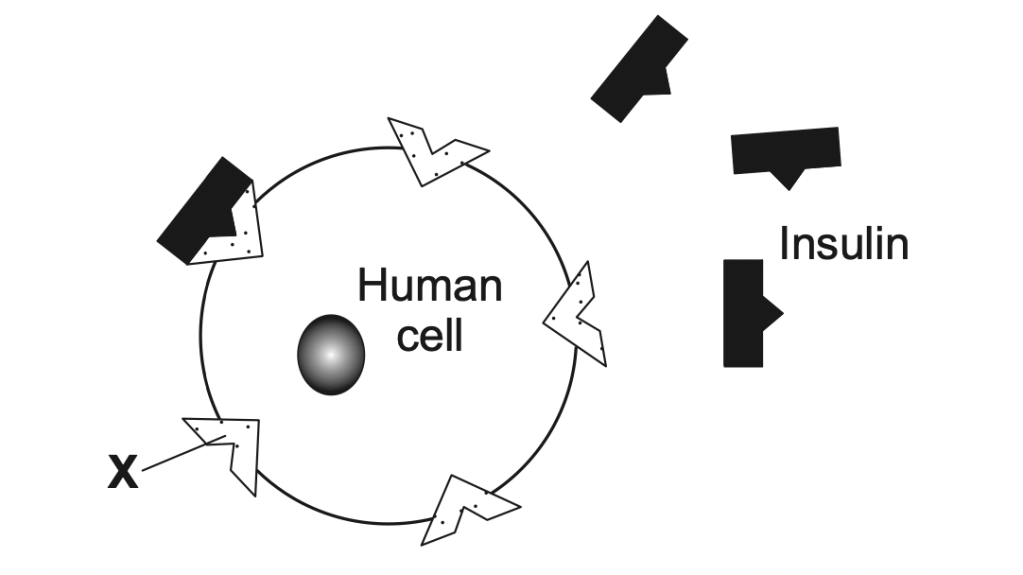
Structure X is best described as a
(1) signal molecule that is attached to the cell wall
(2) protein molecule that releases energy that can be used by the cell
(3) carbohydrate molecule that sends signals to other cells
(4) receptor molecule that allows the cell to respond to changes
Solution: In the context of insulin interacting with a human cell, Structure X is typically a receptor on the cell membrane. Insulin (a hormone) binds to this receptor, allowing the cell to recognize the signal and respond by taking in glucose from the blood, thereby helping regulate blood sugar levels. Correct answer is 4.
35 Some individuals cannot produce insulin. As a result, their cells will
(1) produce another molecule to take over the function of insulin
(2) synthesize more glucose for energy production
(3) not respond appropriately to changes in blood glucose levels
(4) divide at a faster rate than when insulin is available
Solution: Individuals who cannot produce insulin (such as those with Type 1 diabetes) are unable to signal their cells to take in glucose from the blood. As a result, blood glucose levels remain high, and the body’s cells cannot use that glucose efficiently for energy. Correct answer is 3
36 Two different human disorders are compared in the table below.
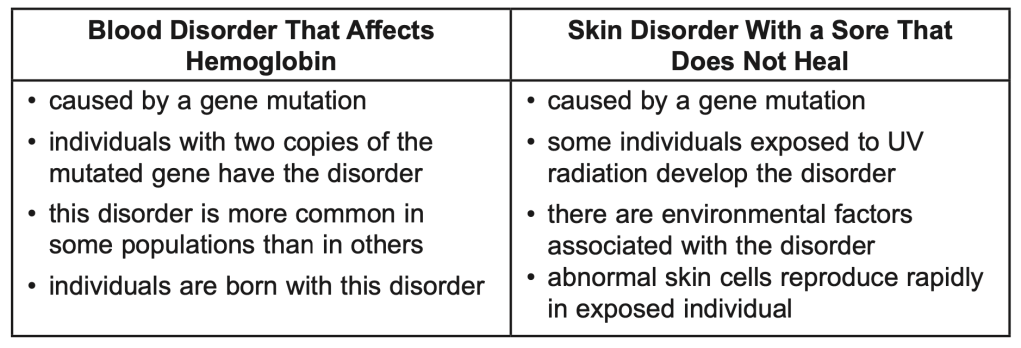
Which statement describes the patterns of inheritance for these two disorders?
(1) The blood disorder is not inherited but the skin disorder is inherited.
(2) Both the blood and skin disorders are not inherited but can be passed to offspring.
(3) The blood disorder can be inherited, and there are factors associated with the skin disorder that may be inherited.
(4) Both the blood and skin disorders can be inherited, with offspring always showing symptoms associated with the disorders.
Solution: The correct answer is: Many blood disorders (like sickle cell anemia or hemophilia) are clearly inherited through known genetic patterns. In contrast, some skin disorders may have a genetic component but can also be influenced by environmental factors, meaning inheritance is possible but not always the sole cause. Option (3) is the correct answer.
Base your answers to questions 37 and 38 on the diagram and information below and on your knowledge of biology.
Gray wolves have been identified as a keystone species, which is a species that is critical to the health of the Yellowstone ecosystem.
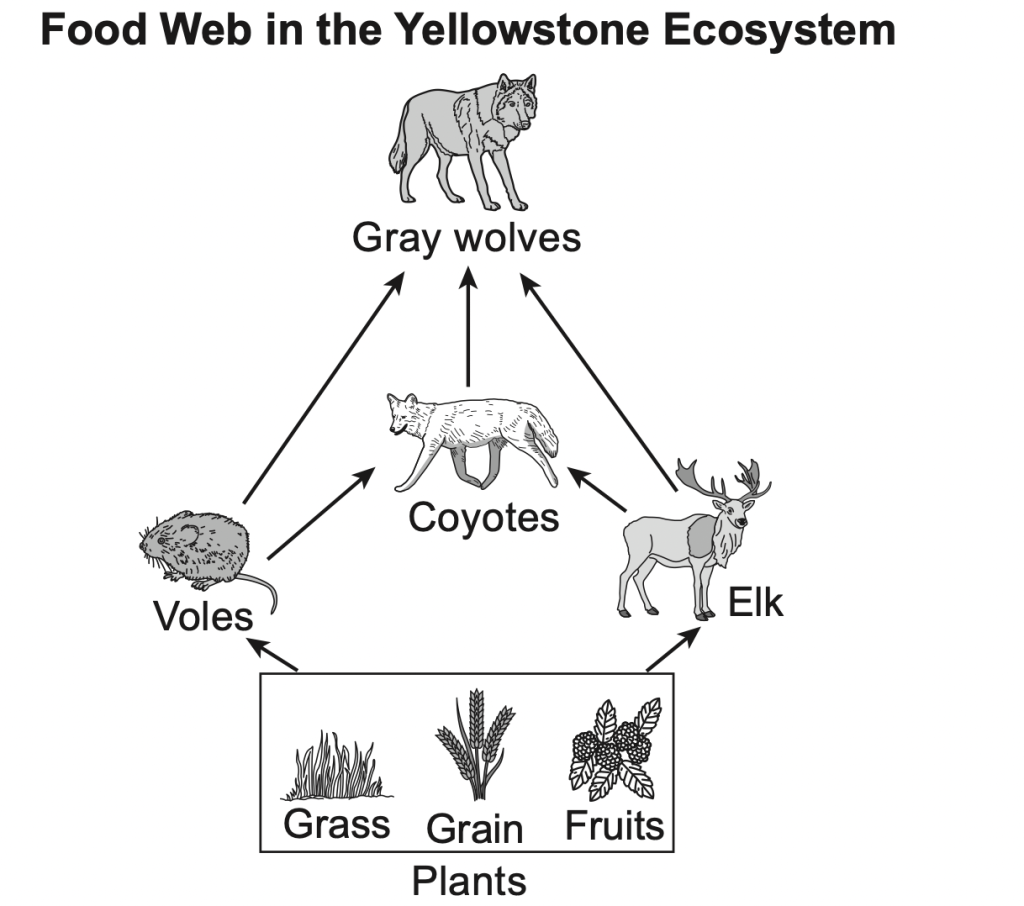
37 The ecosystem will be disrupted with the loss of this keystone species because the loss would lead to
(1) a decrease in the elk population (3) an increase in the plant populations
(2) a decrease in the coyote population (4) a decrease in the plant populations
Solution: This can reduce biodiversity, as certain plant species and the animals that depend on them decline. Correct answer is 1
38 Due to human concerns, wolves were removed from the Yellowstone ecosystem for approximately 70 years, from the 1920s until 1995. Scientists felt that, as a keystone species, it was important to reintroduce the wolves to
(1) increase the stability of the natural environment
(2) limit the use of pesticides to control plant populations
(3) increase the reproductive rate of the elk population
(4) stimulate growth of the coyote population
Solution: Keystone species like gray wolves help maintain balance in ecosystems. Their removal often leads to overpopulation of herbivores (like elk), which overgraze plants and disrupt the food web. The correct answer is: 1
39 Hydrangeas are plants with flowers that can change color. If the pH of the soil in which the plants are growing is altered, the flower color can vary from pink to blue. What is the best explanation for this phenomenon?
(1) The genes of the hydrangea plants are mutated by the change in pH.
(2) Some of the genes of the hydrangea plants die off due to the pH change.
(3) The genes of the hydrangea plants can be turned on and off by different soil pH levels.
(4) The genes of the hydrangea plant change chromosomes with different soil pH levels.
Solution: The correct answer is 3. The color change in hydrangea flowers due to soil pH is a classic example of gene expression being influenced by environmental conditions. The genes themselves do not change, but environmental factors like soil pH can affect how genes are expressed—in this case, affecting pigment production.
Base your answers to questions 40 and 41 on the information below and on your knowledge of biology.
In the 1990s, ranchers on Maggie Creek in Nevada moved the areas where their cattle were grazing. The move was done to help vegetation regrow on the banks of the creek, which had been eroding due to lack of vegetation.
After the move, vegetation began to return to the creek banks. The graph below shows the changes in the amount of green vegetation from 1985 to 2016.
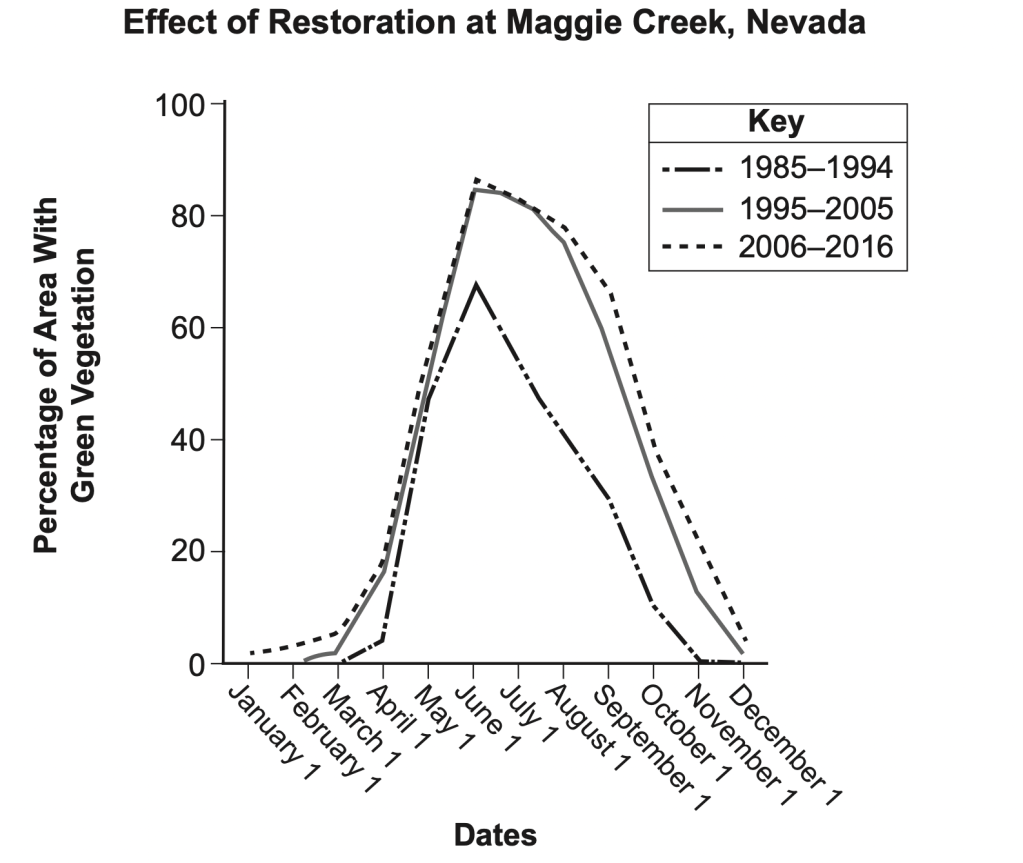
40 How many more months did the Maggie Creek area have some green vegetation cover in 2006-2016, compared with the number of months of green cover in 1985-1994?
(1) 5 months (3) 3 months
(2) 7 months (4) 10 months
Solution:
41 The change in the environmental conditions of Maggie Creek over time is an example of how
(1) human actions in one state can cause an ecosystem to develop into a stable grassland community in another state
(2) grazing animals will eventually have a positive environmental effect on the land where they are kept
(3) changing agricultural practices can help to restore environmental stability to certain locations
(4) once humans interfere with environmental factors, stability cannot be restored in an ecosystem
Solution: In the Maggie Creek example, ranchers changed the way cattle were grazed, which allowed vegetation to regrow and stabilized the ecosystem. This shows that modifying human activity—like adjusting grazing practices—can lead to positive environmental recovery, helping restore balance and health to ecosystems. Correct answer is 3.
Base your answer to question 42 on the information below and on your knowledge of biology.
PCBs in the Environment
PCBs are chemicals once used in electrical equipment. Their use has now been banned because PCBs have been found to cause cancer. These harmful chemicals made their way into the ocean and have accumulated in the tissues of organisms. Beginning with the producers, the levels of PCBs become more concentrated as larger organisms eat smaller ones. It has been shown that organisms higher in the food chain contain the greatest levels of PCBs.
A student examined the diagram below of an Antarctic food web and made the claim that the greatest concentration of PCBs would be found in leopard seals.
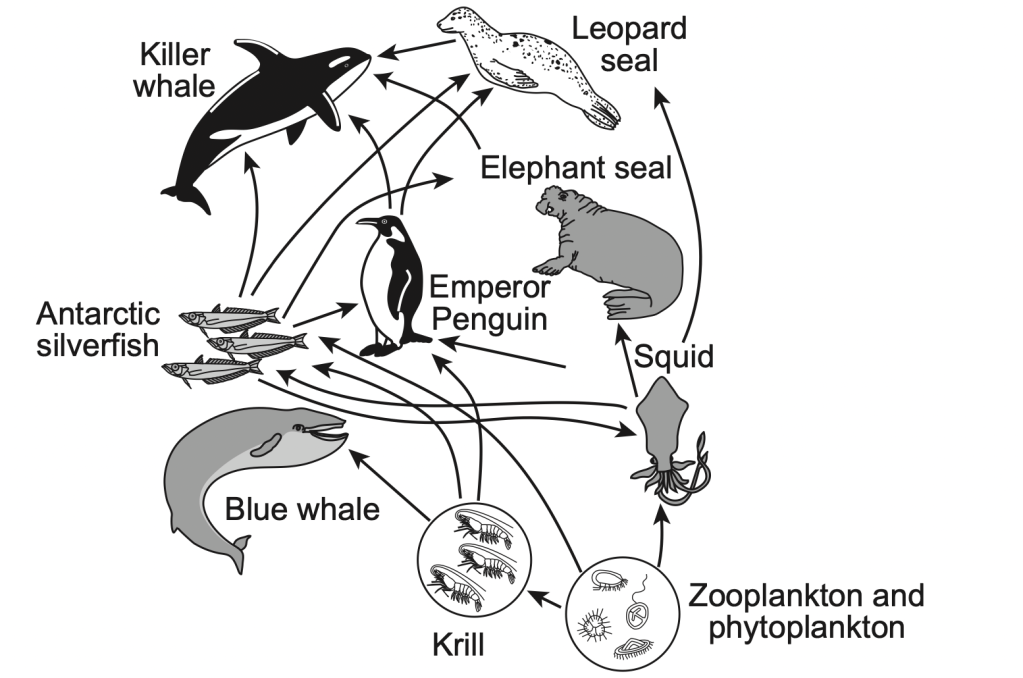
42 Based on information provided in the Antarctic food web, one reason blue whales may contain a lower concentration of PCBs than killer whales is that blue whales
(1) eat krill, which have a lower accumulation of PCBs than penguins and elephant seals
(2) eat only plants that contain PCBs
(3) are eaten by killer whales that accumulate PCBs from blue whales and other species
(4) do not live as long as killer whales, and therefore their PCB concentration is lower
Solution: The correct answer is 1. Killer whales are apex predators and eat animals higher on the food chain, such as penguins and seals, which already have higher PCB levels from the organisms they eat. PCBs (polychlorinated biphenyls) are persistent pollutants that accumulate in organisms and become more concentrated as you move up the food chain—a process known as biomagnification. Blue whales primarily eat krill, which are low on the food chain and have relatively low PCB concentrations.
43 C. explodens, a species of ant that resides in the tropical jungles of Borneo, can explode when their nest is threatened. The nests contain adult ants, eggs, and larvae. When an adult ant comes in contact with an enemy ant, the C. explodens ant latches onto it and squeezes its own abdominal muscles until its abdomen bursts open, releasing a toxic goo. Which statement best describes this phenomenon?
(1) The ants needed a way to protect their offspring, so they developed a way to release a toxic goo to kill
enemies.
(2) This behavior has resulted in greater reproductive success of the ants, since it kills the enemies who
would have fed on their offspring.
(3) The offspring of the ants will not inherit the exploding abdomen trait because this trait is not genetic.
(4) The ant species will likely become extinct, since most of them die while protecting the nest.
Solution: Correct answer is 2. Option (4) is overly pessimistic; the species has evolved this strategy successfully—it’s adaptive, not self-destructive on a species level. This kind of suicidal defense behavior is an example of altruistic behavior seen in social insects. It benefits the colony’s survival and increases the reproductive success of related individuals, even if the individual dies. Option (1) is incorrect because it implies intent or need-driven evolution, which is a misunderstanding of how evolution works. Option (3) incorrectly assumes the trait isn’t genetic without evidence.
 RegentsPrepHub